What We Do
Drainage Work In Central Illinois
TL;DR
Yard drainage contractors near me, central Illinois version: a local drainage contractor fixing standing water, soggy yards, and runoff — drainage and grading, foundation and yard drains, catch basins, culverts, and surface swales. One contractor for the dig, pipe, gravel, and finish grade. Mattoon, IL — 60-mile radius. Free on-site estimate: (217) 809-0779.
Quick Answer
Standing water almost always means it has nowhere to go. The fix is grading, a yard drain, foundation drains, or buried tile — sized to where the water comes from. We diagnose first, then drain it.
Water that sits causes problems. Yards that won't dry. Fields that won't farm. Foundations that crack. Driveways that wash. Drainage isn't glamorous work — but doing it right pays you back every spring.
Repair-first — and we move fast. We fix the drainage the big outfits are too booked to bother with — find the wet spot's cause, put in the pipe or the grade to move the water, and get it done, not booked out for the season. And you deal with the owner, not a call center: your job is run by Levi Brohez, the man on the machine — call or text direct at (217) 809-0779.
Brohez Trucking LLC installs and repairs drainage across central Illinois — surface drainage and grading, foundation and footing drains, yard drains, catch basins, downspout/sump-line tie-ins, and surface swales. On farm ground, tile work is its own trade and its own page: drain tile repair. We dig the line, set the pipe at grade, backfill correctly, and tie everything to a real outlet. Whether you're looking for a foundation drainage contractor for a wet basement wall, a yard drainage contractor for water that stands in the grass after every rain, or a land drainage contractor for acreage or field ground that won't dry, it's the same crew and the same machines — and it starts with somebody walking the ground to find where the water is actually going.
Land drainage is the older name for the farm-ground half of this work, and it's still what a lot of people search — draining wet acres so they can be worked, rather than draining a yard so it can be mowed. Same principle at a different scale: find where the water sits, find where it's allowed to leave, and connect the two with pipe or grade. On a field that means tile, surface inlets and an outlet that stays open; on acreage it might just be a shaped waterway. If you're searching land drainage contractors near me in central Illinois, that's this page and this crew.
The fundamentals are the same whether it's a 30-foot yard drain behind a house or a blown-out field tile outlet that has to be located and spliced: find where the water comes from, find where it can go, and connect them with pipe at the right grade. Skip a step and the work won't last.
If you've got standing water that won't go away, broken old tile that's bringing fields back to wet, a basement that's seeing water, or a downspout dumping next to the foundation, we can fix it. One contractor for excavation, pipe, gravel, backfill, and finish grade.
And if the water's coming from a farm pond that's leaking — a dam that seeps or a spillway washing out — that's a related earthwork fix on the same iron: see our spillway repair.
On farm ground, the window opens after harvest. Once the combine is out and the ground firms up, we can get a machine across a field without tearing it up — and that’s the honest season for drainage work on crop ground, along with early spring before planting. It’s a short window and it fills up. If you’ve got a wet spot you already know about, the time to get it looked at and scheduled is before the fall rush, not during it — walking it now costs nothing and puts you in line. Timing detail: the best time of year for tile work in central Illinois.
Not sure why water keeps pooling in the same spot? Read our blog post on why water stands in your yard →
Curious what field tile drainage costs? See what drives the cost of field tile drainage →
Wondering what a yard drainage fix runs before you call? Read what drives yard drainage cost in central Illinois →
Not sure what a riser, a swale, a WASCOB or a surface inlet actually is? Plain-English drainage terms in our glossary →
More from the blog: what time of year is best for yard drainage tile, the best time to install field tile in central Illinois, how to find a broken field tile, how a wet basement gets fixed from the outside, what size driveway culvert you need, what size drain tile you need, what actually happens on a drain tile repair, and who does what in the tile trade.
Why Brohez Vs. The Old Guard
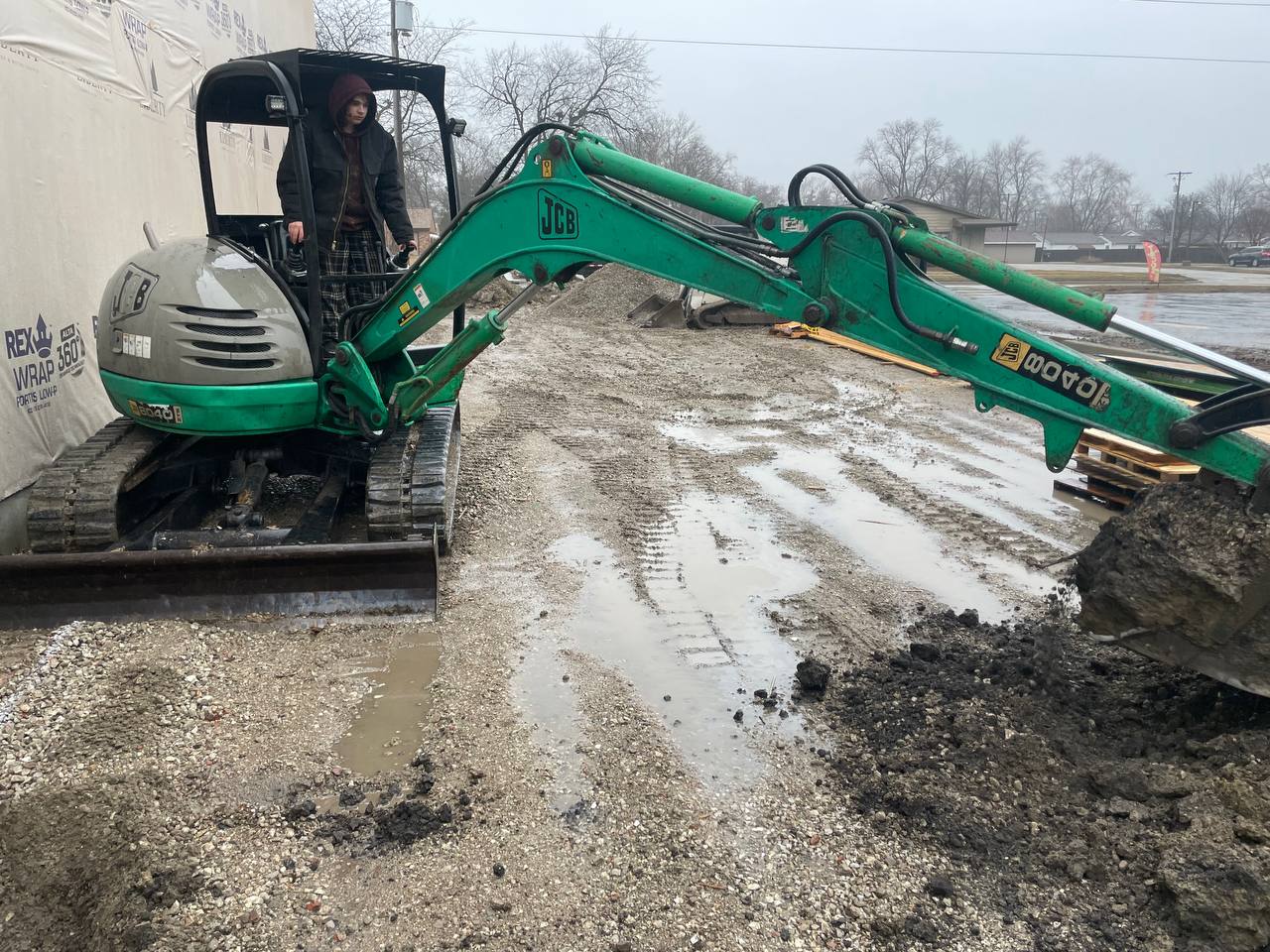
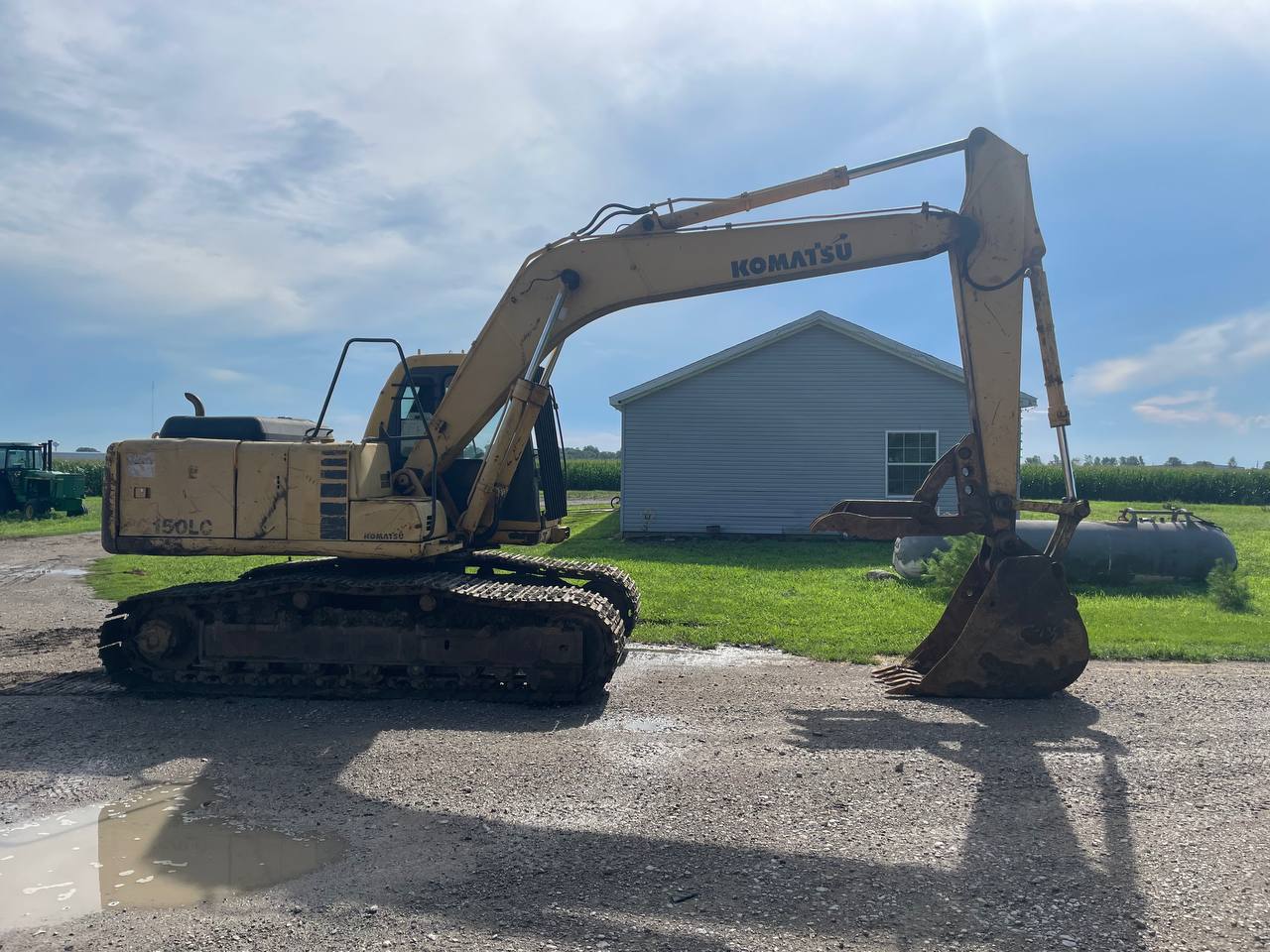
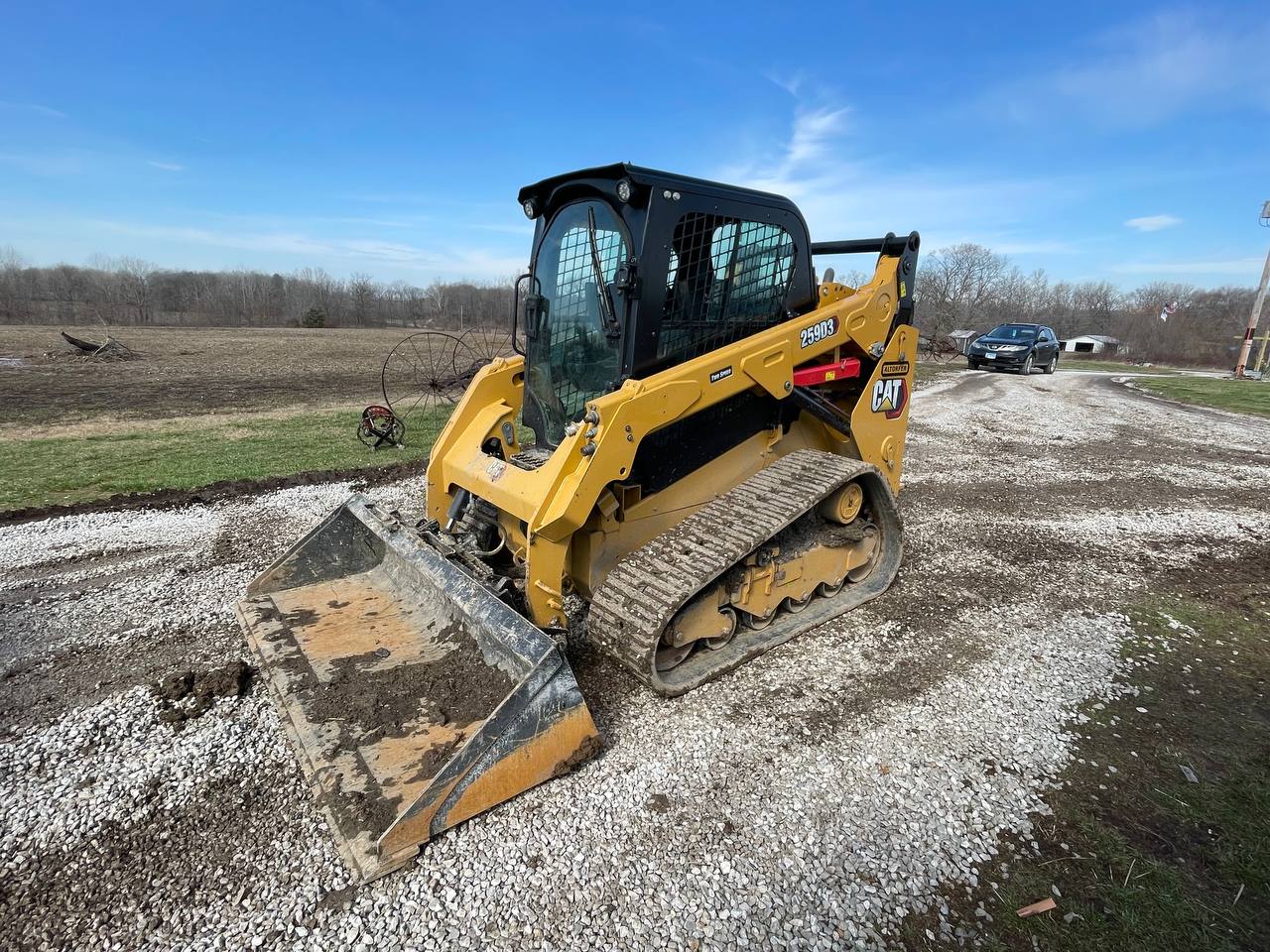
Plenty of outfits around here have been at it a long time. We counter on what age alone doesn't buy: modern iron — a Komatsu PC150LC-6 excavator and a Cat D6N dozer — run with laser grade control so the fall is right the first time. Add 18 five-star reviews and a same-week, free on-site estimate, and you've got a crew that shows up, gets the grade right, and leaves it draining.
Your drainage job is designed and run by Levi Brohez, owner-operator — the man on the machine is the man you talk to. Direct line: (217) 809-0779.